

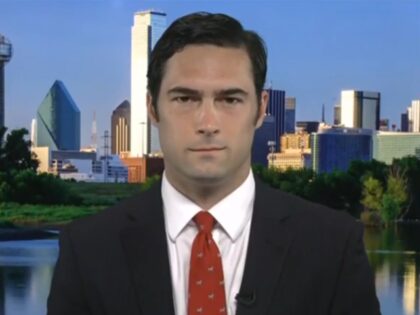
Rep. Brandon Gill’s blunt assessment of Rep. Jasmine Crockett as a “race-baiting thug” lands like a warning shot across the bow of the gun-control coalition that has long tried to paint every defensive shooting as proof of systemic racism. Crockett’s reflexive framing of the Karmelo Anthony verdict as another example of “white justice” ignores the fact that Anthony’s own statements and the physical evidence led a Texas jury—hardly a rubber-stamp for the state—to conclude the use of deadly force was justified. By reducing a fact-driven self-defense case to identity politics, Crockett hands the anti-gun lobby another narrative it can weaponize: the myth that armed citizens, especially those who don’t look like the coastal elite, are inherently suspect when they protect themselves.
For the 2A community the stakes are straightforward. When politicians and media allies insist that race, not reasonableness, should decide whether a shooting is lawful, they erode the very standard that protects every lawfully armed American—stand-your-ground and castle-doctrine statutes included. Gill’s willingness to call the tactic what it is signals that at least some members of Congress grasp how identity-based attacks on verdicts can chill the right to keep and bear arms long before any new legislation is written. If the left succeeds in convincing juries and voters that self-defense is suspect whenever the shooter and the deceased are of different races, the practical effect will be the same as passing “red flag” laws by another name: fewer people willing to carry, fewer people willing to intervene, and more soft targets for criminals who already ignore gun laws.
The episode also underscores why the right to an armed citizenry remains the ultimate backstop against both street crime and political lawfare. When the facts support a justified shooting, the remedy is an acquittal under due process—not a Twitter campaign that treats the Second Amendment as a racial privilege rather than a constitutional guarantee. Gill’s candor may be jarring in polite D.C. circles, but it clarifies the battlefield: either we defend the legal standard that lets individuals protect their own lives regardless of skin color, or we surrender that protection to whichever activist most effectively plays the race card.


