

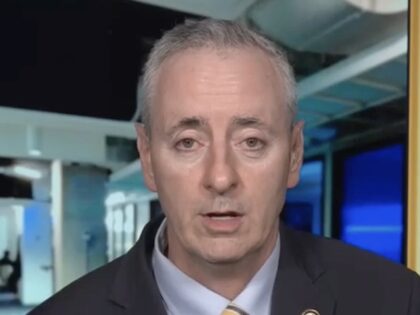
Rep. Brian Fitzpatrick’s decision to co-sponsor legislation curbing the so-called “anti-weaponization fund” is more than a procedural skirmish—it’s a signal that even members of the president’s own party are willing to draw lines when federal agencies flirt with turning financial surveillance into a back-door gun-control regime. The fund, originally pitched as a tool to track illicit finance, has quietly expanded its data-sharing tentacles into FinCEN and the ATF, raising the specter of bulk collection on lawful firearm purchases under the guise of “suspicious activity.” By moving to defund and restrict that apparatus, Fitzpatrick is effectively telling the administrative state that 2A rights are not an afterthought to be balanced against bureaucratic mission creep.
For the gun-owning public, the episode underscores a deeper truth: institutional pushback against executive overreach can come from surprising quarters, and it matters. Trump’s public criticism of Fitzpatrick may generate headlines, but it also spotlights the fact that institutional Republicans are not monolithic on issues of financial privacy and due process. If the bill gains traction, it could blunt the next administration’s ability—regardless of party—to weaponize banking data against FFLs, ammunition vendors, or even individual buyers whose only “crime” is a high volume of perfectly legal transactions. That kind of structural protection is worth more than any single tweet.
The larger implication is that 2A advocacy can no longer treat financial surveillance as someone else’s problem. Every time Congress fails to wall off the fusion of tax data, banking records, and gun registries, it hands future regulators a ready-made list of who owns what. Fitzpatrick’s stand, whether motivated by institutional caution or constituent pressure, reminds the community that vigilance must extend beyond the ATF’s front door and into the quiet corridors of Treasury and FinCEN—because that is where the next battle over the right to keep and bear arms is already being mapped.


