

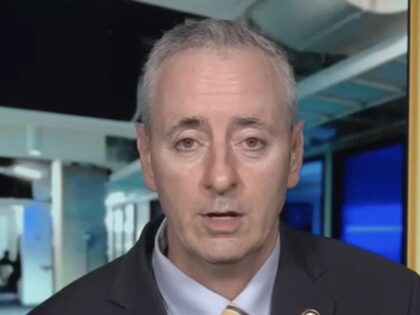
Rep. Brian Fitzpatrick’s blunt assessment on CNN that the DOJ’s so-called “anti-weaponization” fund amounts to a “gross abuse of discretion” lands like a warning shot across the bow of an agency already viewed with deep suspicion by gun owners. Rather than a neutral safeguard against extremism, the fund has functioned as a slush account for targeting parents at school boards, pro-life demonstrators, and—most ominously—law-abiding firearm owners whose only offense is exercising a constitutionally protected right. When federal dollars are earmarked to monitor “domestic violent extremism” without clear guardrails, the line between legitimate law enforcement and ideological enforcement blurs, and the 2A community has every reason to treat the program as a potential tripwire for future registration schemes, red-flag overreach, and selective prosecutions.
The timing is no accident. With midterm memories still fresh and 2024 looming, the DOJ’s quiet expansion of domestic-surveillance tools under the banner of public safety mirrors earlier efforts to conflate standard firearms ownership with potential threat vectors. Fitzpatrick, a former FBI agent himself, understands that once an agency is given both the money and the mandate to “study” a demographic, mission creep follows—especially when that demographic includes millions of citizens who already distrust the administrative state. For Second Amendment advocates, the real danger isn’t the rhetoric; it’s the infrastructure: data-sharing agreements with banks, social-media monitoring partnerships, and quiet coordination with state attorneys general that can turn a lawful purchase into a predicate for investigation.
The broader implication is that any future Democratic administration will inherit a ready-made apparatus that can be dialed up or down depending on political winds. Gun owners who shrugged off earlier warnings about “ghost guns” and pistol braces are now watching the same bureaucratic machinery retooled for broader cultural enforcement. Fitzpatrick’s candor on national television signals that even institutional Republicans are beginning to recognize the fund as more than harmless oversight—it is a precedent that could criminalize viewpoint, not conduct. For the 2A community, the takeaway is straightforward: vigilance must extend beyond legislation to the quiet funding mechanisms that shape enforcement priorities long after the cameras leave.


