

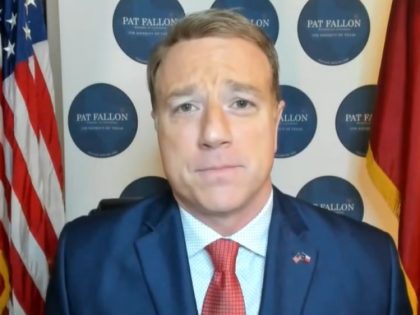
Rep. Pat Fallon’s blunt assessment on Fox News cuts straight to the heart of why any nuclear deal with Iran must be ironclad: enriched uranium stockpiles, open sea lanes, and an end to Tehran’s terror exports and missile proliferation are non-negotiable. The Texas Republican’s insistence that Iran “commit to stop exporting terror and ballistic missile technology” is more than diplomatic posturing; it’s a recognition that the same centrifuges spinning uranium today can tomorrow feed proxy militias and long-range delivery systems aimed at U.S. allies and shipping lanes. For the firearms community, this isn’t abstract foreign policy—it’s a direct reminder that regimes hostile to American interests rarely limit their ambitions to one category of weapon; the same networks that traffic in ballistic missiles have historically funneled small arms and explosives to groups that threaten both our troops and civilian gun owners worldwide.
Fallon’s call for verifiable removal of enriched uranium and reopening the Strait of Hormuz underscores a broader truth: deterrence works only when backed by credible force and clear red lines. The 2A community has long understood that peace through strength isn’t just a slogan—it’s the reason law-abiding citizens keep and bear arms in the first place. When Washington signals weakness on proliferation, it emboldens adversaries who view civilian disarmament at home as a parallel vulnerability abroad. Conversely, a policy that pairs robust sanctions, naval presence, and missile-defense cooperation with Gulf partners reinforces the same principle that underpins our constitutional right: responsible ownership and readiness deter aggression far more effectively than wishful diplomacy.
The stakes extend beyond the Strait. Every ballistic missile or IED component traced back to Iranian workshops represents a data point in a larger pattern of asymmetric warfare that could one day reach American soil or supply lines. By demanding concrete, measurable concessions rather than another sunset-clause agreement, Fallon is channeling the same skepticism Second Amendment advocates apply to domestic gun-control proposals—namely, that paper promises without enforcement mechanisms are invitations to future crises. Whether the next administration listens will help determine whether Iran’s nuclear program remains a regional nuisance or metastasizes into a global threat that ultimately circles back to the everyday preparedness of armed citizens.


