

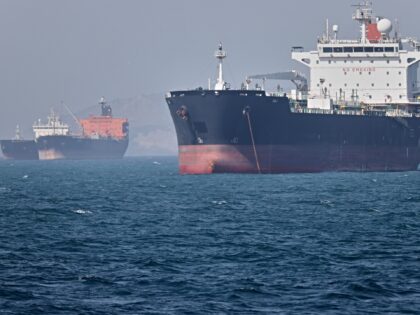
Rep. Michael Baumgartner’s measured take on the Iranian oil blockade is a textbook example of how foreign-policy pressure points can ripple straight into the gun-counter conversation. By keeping Tehran’s petroleum revenue throttled, the United States keeps the Islamic Revolutionary Guard Corps on a tighter budget, which in turn limits the cash available for proxy militias that routinely target American interests and allies. When those same dollars are freed up, history shows an uptick in regional instability that eventually lands on the desks of U.S. defense planners—and on the order forms of law-abiding Americans who decide it’s time to add another magazine or optic “just in case.”
The congressman’s caveat about the looming election is equally instructive for Second Amendment advocates. Mid-term or presidential cycles have a habit of producing hastily brokered deals that trade sanctions relief for photo-ops, and every barrel of sanctioned crude that flows back into global markets puts another deposit into IRGC accounts. That deposit can translate, months or years later, into Iranian drones over the Strait of Hormuz or Hezbollah rockets in Lebanon—scenarios that reliably drive ammunition prices and wait times higher on U.S. shores. Baumgartner’s reminder that “there’s an election coming up” is therefore less about partisan theater and more about a structural warning: policy reversals timed for ballots often leave civilians racing to restock before the next exogenous shock hits the supply chain.
For the 2A community, the takeaway is straightforward: energy sanctions, great-power posturing, and electoral calendars are not abstract Beltway issues; they are leading indicators on the shelf price of 5.56 and the availability of imported optics. Keeping a watchful eye on how lawmakers balance blockade toughness against campaign optics is one more way responsible gun owners practice the same preparedness they preach at the range.


