

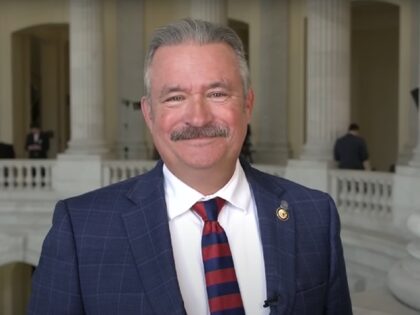
Rep. Don Bacon’s blunt assessment that the Pentagon may be keeping the White House in the dark about troop movements in Europe is more than a Beltway turf fight—it’s a flashing warning light for anyone who cares about civilian arms rights. When the chain of command fractures, the first instinct of any administration is to reassert control, and history shows that “reasserting control” often arrives with new restrictions on the very people who would be asked to fill the ranks if the balloon goes up. The 2A community has watched this movie before: after 9/11, the 2008 financial crisis, and the COVID lockdowns, federal agencies floated proposals to “temporarily” limit ammunition sales, delay NICS checks, or expand the definition of “engaged in the business” under the guise of national stability. If senior defense officials are already bypassing civilian leadership on force posture, the next logical step for risk-averse bureaucrats is to treat an armed citizenry as another variable to be managed rather than a constitutional cornerstone to be preserved.
The practical takeaway is that any breakdown in civilian oversight of the military makes the individual right to keep and bear arms more—not less—relevant. Europe’s trip-wire posture still depends on host-nation stocks, pre-positioned U.S. equipment, and the political will to surge additional brigades on short notice. Should that will falter or be miscalculated, the deterrent value shifts toward a well-armed American populace capable of rapid state-level mobilization under the original constitutional design of the militia. Bacon’s comments also underscore why the Gun Owners of America–style push for reciprocity and the protection of private transfers matters: in an era of uncertain federal responsiveness, law-abiding citizens cannot afford to be disarmed by red tape while waiting for Washington to sort out its own org-chart problems.
Finally, the episode is a reminder that the Second Amendment is not just a culture-war talisman; it is a hedge against the day when institutional friction inside the Pentagon or the West Wing leaves the country strategically surprised. The faster the administration and Congress reconcile their information flow, the less likely it is that future “surprises” will be solved by ever-tightening domestic gun measures. Until that reconciliation happens, the safest assumption for the armed citizen is that the only reliable backup to a distracted federal apparatus is an equipped, trained, and legally unencumbered American rifleman.


