

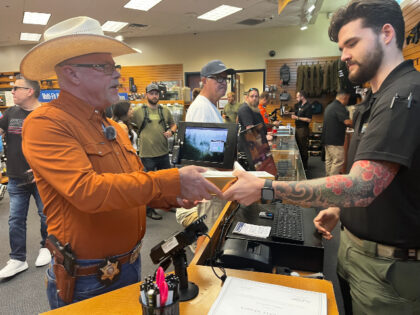
Scottsdale Gun Club just turned a $200 tax stamp into a punchline by selling suppressors to two Arizona sheriffs for the price of a movie ticket and a soda. The $17.76 figure is no accident—it’s a deliberate nod to 1776, the year the Founders declared independence from a government that feared an armed populace. By stripping away the registration ritual and the bureaucratic tax, the club exposed how much of the NFA’s suppressor regime is theater rather than genuine public-safety policy. When two elected sheriffs walk out the door with brand-new cans and zero paperwork, the message is unmistakable: the “shall not be infringed” clause is finally being treated like an operating instruction instead of a campaign slogan.
The deeper significance lies in the precedent. Sheriffs Sheridan and Lamb aren’t just customers; they’re constitutional officers who have sworn to defend the Bill of Rights. Their participation signals that local law enforcement is willing to test the boundaries of federal overreach in real time. For years the suppressor market has been artificially constricted by a 1934-era tax scheme designed to disarm returning veterans and Depression-era farmers. Scottsdale’s stunt collapses that barrier in one afternoon, proving that the hardware itself is harmless—quiet, yes, but no more dangerous than the millions of unsuppressed firearms already in circulation. The only thing that actually changed was the removal of a permission slip.
For the broader 2A community, the sale is both a morale boost and a strategic template. It demonstrates that creative civil disobedience, paired with willing local officials, can shrink the administrative state faster than any lawsuit. Expect other FFLs to replicate the model, other sheriffs to line up, and the ATF to issue the usual cease-and-desist letters that carry less weight each time they’re ignored. In the long run, the $17.76 suppressor may be remembered less for its price tag and more for the moment the paperwork curtain began to tear.


