

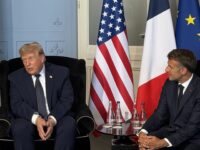
France’s President Macron stepping up to publicly endorse President Trump’s approach to Iran’s nuclear program marks a notable diplomatic shift that carries ripple effects far beyond the Middle East. By declaring the deal will “fix the nuclear issue,” Macron is signaling that even traditional European allies are willing to back a tougher, enforcement-first posture rather than the open-ended concessions of the old JCPOA. For the firearms community this matters because a stabilized or at least contained Iranian threat reduces the likelihood of another regional war that historically drives up the cost of components, optics, and ammunition while inviting new layers of domestic gun-control rhetoric framed around “international security.”
At the same time, the optics of a G7 bilateral where a French leader praises an American president’s hard line underscore how quickly global alliances can realign when nuclear proliferation is on the table. That realignment keeps pressure on the administrative state here at home to justify expansive regulatory reach; every time foreign policy looks more transactional and less multilateral, the argument for permanent emergency powers or renewed assault-weapon restrictions loses a little more oxygen. In short, when the nuclear chessboard tilts toward enforcement rather than appeasement, the 2A community gains breathing room to focus on range days and legislative defense instead of bracing for the next round of crisis-driven gun-grab proposals.


