

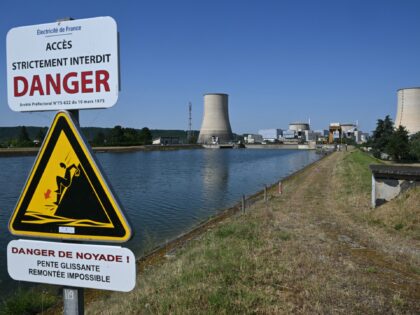
France’s decision to idle a reactor at Golfech because river water had grown too warm to cool the plant is a textbook reminder that even the most advanced energy systems remain hostage to nature’s limits. While the media frames the move as a prudent safety step, the underlying reality is that centralized, high-output infrastructure is brittle when temperatures spike; one heatwave can force an entire region to ration electricity or import power from neighbors. For Americans who value self-reliance, the episode underscores why the Founders insisted on an armed citizenry: when the grid flickers, the rule of law can fray faster than any reactor can be restarted, and only an armed populace stands between order and the chaos that follows.
The same logic that makes nuclear plants vulnerable to weather also explains why gun-control advocates push “smart” restrictions that assume the state will always be there to protect you. If a European nation can’t keep the lights on during a summer heatwave, it is naïve to believe the same bureaucracies could instantly deploy armed responders to every home during civil unrest or natural disaster. France’s reactor shutdown quietly validates the 2A argument that personal firearms are the ultimate backup generator—quiet, decentralized, and immune to bureaucratic temperature thresholds.
Ultimately, the story is less about one French reactor than about the widening gap between the promises of top-down energy policy and the lived experience of citizens who must fend for themselves when those promises fail. As Europe doubles down on intermittent renewables and aging nuclear fleets, the United States still enjoys the constitutional guarantee that individuals—not distant regulators—retain the final say over their own security. In a world where heatwaves, blackouts, and policy missteps are becoming routine, that guarantee is not theoretical; it is the difference between waiting for the next reactor to come back online and being able to defend your family tonight.


