

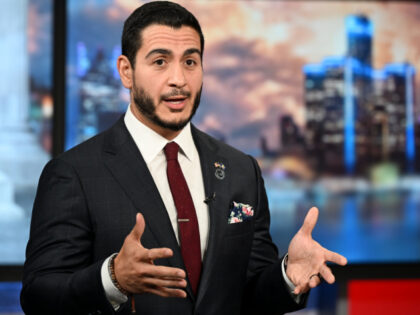
Michigan Democrat Mallory McMorrow’s counsel to newly minted Senate nominee Abdul El-Sayed—don’t “turn everybody into an enemy”—is a telling admission that the party’s hard-left flank is already alienating the very voters it needs to hold the chamber. El-Sayed, a self-described democratic socialist who once called for “Medicare for All” and sweeping gun-control measures, won his primary by consolidating progressive strongholds around Detroit and Ann Arbor. Yet McMorrow’s warning suggests the campaign realizes that branding every suburban gun owner, rural sportsman, or moderate Democrat as an existential threat is a recipe for November disaster. For Second Amendment supporters, the exchange is a reminder that even within Democratic ranks, the loudest voices on firearms are beginning to recognize the electoral cost of treating lawful gun ownership as a moral failing rather than a protected right.
The practical takeaway is that Michigan’s Senate race is shaping up as a test of whether the national party can still field candidates who sound less like coastal activists and more like the swing-state voters they must persuade. El-Sayed’s primary coalition was built on promises to ban assault weapons, close the “gun-show loophole,” and push universal background checks—positions that poll well inside Wayne County but crater outside it. McMorrow’s advice is an implicit concession that those stances must be softened, or at least rebranded, if Democrats hope to keep the seat. That tension gives pro-2A groups a clear opening: every time El-Sayed reiterates his support for magazine bans or red-flag laws, the contrast with McMorrow’s call for broader appeal becomes sharper, and the gap between elite Democratic rhetoric and everyday Michigan gun culture grows more obvious.
For the firearms community, the episode underscores a broader strategic point: the most effective messaging is not always the most confrontational. By highlighting McMorrow’s own words, advocates can frame El-Sayed as the candidate who needs to be talked off the ledge of sweeping gun restrictions rather than the one already moderating. That framing keeps the focus on policy substance—magazine capacity, due-process concerns, and the practical effect of new restrictions on law-abiding owners—while letting internal Democratic friction do some of the work. In a state whose electoral math still hinges on Macomb and Ottawa counties, the candidate who appears most eager to “turn everybody into an enemy” may find that the voters finish the job for him.


