

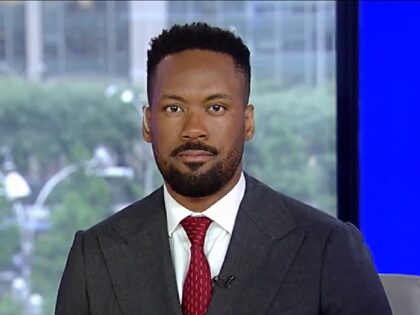
The Iran MOU that Lawrence Jones downplayed on Fox News isn’t just another foreign-policy footnote; it’s a reminder that when Washington cuts corners on national-security agreements, the ripple effects eventually reach every gun shop and reloading bench in America. Trump’s pushback against the document’s fine print shows he understands that vague promises from Tehran rarely survive contact with reality, and the same skepticism should apply to any domestic “memorandum” that tries to redefine what the Second Amendment actually protects. When the executive branch treats solemn commitments as optional talking points, it signals to every federal agency that rules are flexible—exactly the mindset that produced pistol-brace reclassifications, ATF rule-by-letter edicts, and the steady drip of import bans justified by “national security.”
For the 2A community the lesson is straightforward: if a president can “dispute” what’s in an international deal after the ink is dry, then every regulation that arrived via guidance letter or reinterpretation is equally contestable. The same legal tools used to unwind sloppy foreign-policy language can—and should—be turned on the thicket of administrative rules that have quietly narrowed lawful firearm ownership. Jones may have been talking about centrifuges and sanctions relief, but the principle travels: paper that looks thin on first reading usually hides the heaviest costs later, whether those costs are paid in enriched uranium or in suddenly non-compliant braces and magazines.
Bottom line, the episode underscores why vigilance can’t be outsourced to any one administration. Whether the arena is missile technology or magazine capacity, the pattern is identical—vague text plus bureaucratic follow-through equals lost liberty. The 2A community’s job is to keep treating every new “understanding” the way Trump treated this MOU: read it twice, assume the worst, and be ready to litigate the fine print before it hardens into permanent restriction.


