

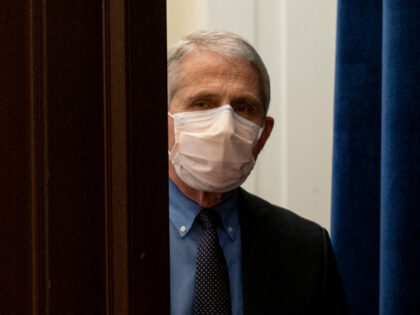
Florida’s subpoena of Anthony Fauci is more than a political sideshow; it’s a long-overdue spotlight on how federal health officials leveraged a crisis to expand their own power and budgets. The state’s investigators are zeroing in on “self-dealing”—the allegation that Fauci’s office steered grants, royalties, and influence toward institutions and companies in which he or his inner circle held financial or career interests. For gun owners, the parallel is obvious: the same administrative state that spent two years redefining “essential” businesses and “emergency powers” is the same apparatus that now treats the Second Amendment as an optional privilege subject to ever-shifting bureaucratic whim.
What makes the Florida probe especially relevant to the 2A community is the precedent it could set. If Fauci’s pandemic-era decisions are shown to have been tainted by personal or institutional gain, it undercuts the reflexive deference courts and agencies still give to “public-health experts” when they opine on magazine bans, “assault weapon” features, or red-flag laws. A finding that health officials monetized fear would hand judges and lawmakers a powerful rhetorical weapon: the administrative state has already demonstrated it will stretch definitions and ignore constitutional limits when the stakes—and the funding—are high enough.
The deeper implication is cultural. For years, the same voices that demanded universal compliance with lockdowns and mandates now insist that any resistance to gun-control edicts is reckless or extreme. Florida’s move signals that at least one state is willing to treat federal expertise as a hypothesis rather than holy writ. If that skepticism spreads to the bench and the ballot box, the 2A community gains breathing room that no model statute or amicus brief can manufacture on its own.


