

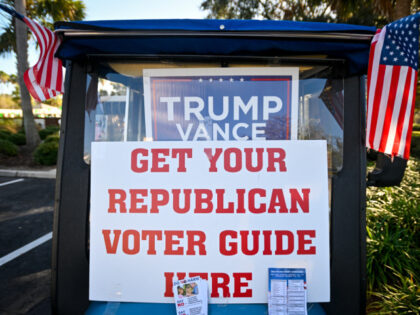
In a political environment where trust in the electoral process is already fraying, the Florida charges against sitting commissioners and operatives for allegedly flooding the 2024 primary with fake GOP voter guides should set off alarm bells far beyond St. Johns County. When insiders allegedly weaponize the very documents voters rely on to identify pro-Second Amendment candidates, the damage isn’t limited to one race; it erodes the ability of gun owners to make informed choices at the ballot box. The scheme reportedly targeted districts where constitutional-carry expansions and permitless-reciprocity measures were on the line, suggesting the counterfeit guides weren’t random mischief but a calculated attempt to blunt grassroots momentum for stronger self-defense rights.
For the 2A community the takeaway is straightforward: vigilance can’t stop at the range or the gun shop. Primary elections are where the real gatekeepers of future legislation are chosen, and if political operatives feel emboldened to counterfeit endorsements, every pro-gun voter needs to cross-check candidate questionnaires directly with groups like the NRA-PVF, GOA, and state-level PACs rather than trusting glossy mailers. The episode also underscores why constitutional carry and constitutional-sanctuary efforts matter; when the system itself can be gamed, law-abiding citizens benefit from reducing friction between the right to keep and bear arms and the bureaucratic gatekeepers who might one day be captured by the same operatives now accused of deceiving voters.
Longer term, the case is likely to fuel fresh calls for paper-ballot audits and stricter chain-of-custody rules on campaign literature, reforms that could either safeguard or further complicate the already byzantine primary calendar. Either way, Florida’s episode is a reminder that the Second Amendment doesn’t defend itself at the ballot box—only an alert, organized electorate can do that.


