

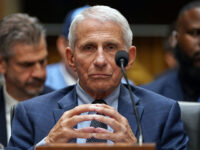
When Anthony Fauci stood before cameras in 2021 and declared he would “cooperate fully” with any investigation because he had “nothing to hide,” the line was meant to project transparency and moral authority. Yet the subsequent release of emails, FOIA documents, and congressional testimony revealed a pattern of private doubts, coordinated messaging, and shifting public narratives that clashed with the confident assurances. For the firearms community, the episode is a textbook case of how institutional trust is manufactured and then weaponized: the same agencies that quietly shaped pandemic policy also pushed unprecedented restrictions on lawful gun purchases, citing “public health” emergencies that later proved more political than medical.
The deeper lesson for Second Amendment advocates is that promises of cooperation and openness are only as credible as the incentives behind them. When federal health officials can redefine “crisis” to justify new rules on everything from ammunition sales to background-check expansions, the right to keep and bear arms becomes contingent on bureaucratic definitions rather than constitutional text. The Fauci record shows how quickly those definitions can be stretched, revised, or memory-holed once political pressure mounts, leaving citizens to litigate rights that were never supposed to be subject to administrative whim.
Ultimately, the episode reinforces why pro-2A organizations treat every federal assurance with skepticism and insist on hard statutory and judicial guardrails rather than good-faith promises. If an official with Fauci’s visibility could claim total transparency while internal records told a different story, then the only reliable safeguard for gun owners is an informed, organized base ready to challenge overreach in court and at the ballot box before the next “emergency” redefines the rules again.


