

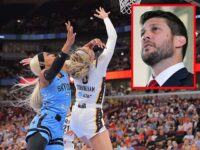
The flagrant foul that left Sophie Cunningham sprawled on the hardwood has become more than a WNBA controversy—it’s a flashpoint for how aggressively state attorneys general are willing to police perceived threats to public safety. Florida’s AG didn’t just issue a press release; the office opened a file, requested video from multiple angles, and signaled that any future “excessive contact” involving a Florida resident could trigger civil-rights or consumer-protection statutes. For the 2A community, the move is a reminder that the same officials who champion permitless carry and constitutional-carry expansions are also perfectly comfortable weaponizing regulatory muscle when the narrative fits. The question isn’t whether the league will fine or suspend the offending player; it’s whether a state-level prosecutor can credibly claim jurisdiction over a split-second athletic decision made in Indiana.
That jurisdictional leap matters because it mirrors the logic gun owners have watched play out in courtrooms for years: if an act can be framed as creating a “risk” to a protected class, previously narrow statutes suddenly balloon. The same AG who last year praised Florida’s new constitutional-carry law is now testing whether a contact-sport collision can be recast as a civil-rights violation. If the theory sticks, it won’t be long before similar language migrates to defensive-force cases—where split-second threat assessments are second-guessed by officials who have never worn a holster. The 2A takeaway is straightforward: every expansion of state oversight into fast-moving physical altercations is a precedent that can be repurposed when the subject is a firearm rather than a basketball.
Cunningham’s own response—publicly thanking fans for their support while sidestepping the political circus—offers a lesson in message discipline that gun owners would do well to study. Instead of feeding the outrage cycle, she kept the focus on playing through pain and letting the league’s existing disciplinary machinery work. That restraint undercuts the narrative that every on-court incident demands a legislative or prosecutorial remedy. For the firearms community, the parallel is obvious: when incidents occur, the fastest way to keep new restrictions at bay is to let facts surface through due process rather than inviting attorneys general to position themselves as roving referees. The game clock is still running, and every precedent set in this skirmish will echo the next time a self-defense shooting lands on an ambitious prosecutor’s desk.


