

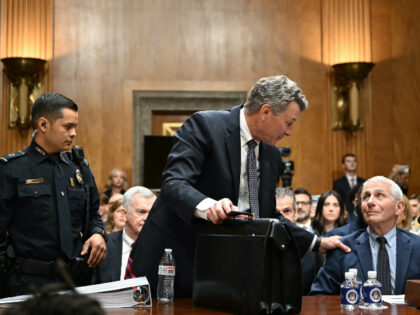
When Senator Rand Paul warned Anthony Fauci that stonewalling Congress would carry consequences, the moment wasn’t just about pandemic accountability—it was a vivid reminder that no one, not even a long-tenured federal official, is above the law or the people’s elected representatives. The senator’s swift ejection of Fauci’s “unruly” counsel underscored a simple truth: when government actors refuse to answer for their actions, the constitutional order itself is tested. For Second Amendment supporters, the scene is a cautionary tale. The same agencies that spent years labeling law-abiding gun owners as “domestic threats” now balk at basic oversight; if they can evade scrutiny on public-health policy, they can just as easily evade it on firearm rules, tracing mandates, or future red-flag schemes.
The episode also highlights how institutional arrogance fuels public distrust. Fauci’s refusal to testify mirrors the bureaucratic mindset that treats citizens as subjects rather than sovereigns—an attitude that has repeatedly surfaced in ATF rule-makings rushed through without meaningful comment periods or cost-benefit analysis. When elected officials finally push back, the pushback reverberates far beyond the hearing room. It signals to every alphabet agency that the right to keep and bear arms is not a favor to be regulated by unaccountable experts, but a constitutionally protected liberty that demands transparency and legislative consent.
Ultimately, Paul’s stand is a microcosm of the larger struggle: restoring checks and balances so that no bureau or doctor-turned-mandate-issuer can unilaterally reshape American life. For 2A advocates, the takeaway is clear—eternal vigilance isn’t just about watching new gun-control bills; it’s about defending the very mechanisms of democratic oversight that keep every federal actor, from pandemic czars to firearms regulators, within their constitutional lanes.


