

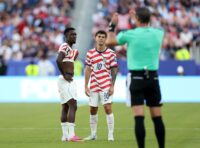
In a move that’s raising eyebrows from the pitch to the political arena, FIFA’s decision to clear U.S. striker Folarin Balogun came only after a direct call from President Trump, underscoring how quickly international sports bureaucracies can bend when American leverage is applied. The timing is no accident: with the World Cup looming and U.S. soccer desperate for attacking firepower, FIFA’s sudden flexibility looks less like sporting fairness and more like a calculated response to political pressure. For Second Amendment advocates, the episode is a reminder that sovereignty and self-reliance still matter—when a president is willing to pick up the phone on behalf of American interests, even globalist institutions take notice.
The deeper takeaway for the 2A community is that the same institutional reflexes that once dismissed gun owners as fringe now face a recalibrated power dynamic. Just as Trump’s call bypassed FIFA’s usual red tape, consistent political engagement can neutralize the regulatory gatekeepers who have long targeted lawful firearm ownership under the guise of “international norms.” Balogun’s clearance shows that outcomes shift when Americans refuse to outsource their destiny to unelected bodies; the same principle applies to defending the right to keep and bear arms against creeping global standards on everything from magazine capacity to “assault weapon” definitions.
Ultimately, the story is less about one soccer player and more about the broader contest between national will and supranational control. If a single phone call can unlock an athlete’s eligibility, imagine what sustained, unapologetic advocacy can achieve when the target is the Second Amendment itself. The lesson is clear: rights are preserved by people and leaders who treat them as non-negotiable, not by hoping international committees will suddenly discover American values.


