

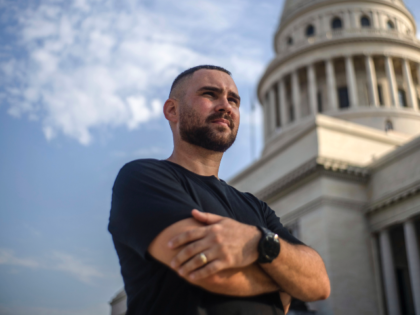
Sandro Castro’s smug little video roasting Elián González isn’t just another petty squabble inside the Castro clan—it’s a perfect snapshot of how communist royalty treats its own propaganda props once they’ve outlived their usefulness. Elián, the six-year-old who survived a raft crossing only to be shipped back to the island by Janet Reno’s federal agents, grew up to become exactly what the regime needed: a living billboard for the revolution. Now that he’s a National Assembly deputy parroting the party line, Sandro—whose last name still buys him immunity—can openly ridicule him on social media without fear of the same dungeons that await ordinary Cubans for far less. The optics are delicious for anyone paying attention: the dictator’s bloodline mocking the very symbol the regime once used to justify crushing a child’s chance at freedom.
For the 2A community the lesson is blunt. Elián’s story was never just about immigration or family law; it was a live demonstration of what happens when a government decides it alone decides who is free and who is property. The same mindset that sent armed federal agents to seize a terrified boy in Miami is the mindset that later disarmed the Cuban people, leaving them defenseless against the very tyranny that now lets Sandro party while Elián performs. Every time we watch another Castro descendant flaunt privilege the rest of the island can only dream about, it reinforces why an armed citizenry remains the ultimate check on concentrated power—because history keeps showing us what happens when only the connected are allowed to be dangerous.


