

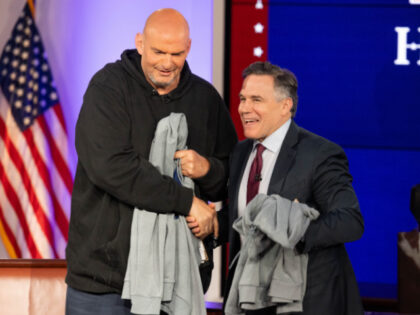
Sen. John Fetterman’s decision to sit out any campaign against Sen. Dave McCormick in 2030 is more than a personal courtesy—it’s a signal that the old partisan playbook is losing its grip even in a state as polarized as Pennsylvania. By publicly pledging to stay on the sidelines out of friendship, Fetterman is acknowledging that McCormick’s brand of moderate, pro-business Republicanism resonates with the same working-class voters who propelled Fetterman himself into office. For the 2A community, that matters: McCormick has already compiled a Senate voting record that includes support for national reciprocity and opposition to magazine bans, positions that would be in jeopardy if a more orthodox progressive challenger emerged from the left.
The larger implication is that personal relationships across the aisle can still shield pro-Second-Amendment priorities from becoming routine political fodder. In an era when gun-control messaging is often treated as low-cost red meat for Democratic primaries, Fetterman’s hands-off posture deprives activists of a high-profile surrogate who could otherwise nationalize the race. That vacuum gives McCormick breathing room to keep courting suburban and rural voters who prize both economic populism and the right to keep and bear arms.
Strategically, the episode underscores how fragile the gun-control coalition remains once lawmakers step outside their own media ecosystems. If Fetterman—hardly a conservative—won’t lend his blue-collar credibility to an anti-McCormick effort, national groups may find it harder to portray the Pennsylvania contest as a must-win for gun-safety legislation. The result is a de-facto safe seat for at least one senator who isn’t afraid to break with his party on firearms issues, a small but tangible win for the 2A community in a swing state that will only grow more consequential as 2030 approaches.


