

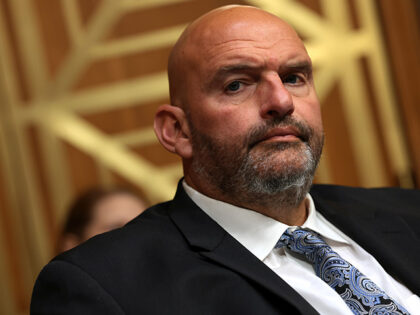
Fetterman’s admission that he regrets dismissing the lab-leak hypothesis as a “right-wing conspiracy” is more than a belated mea culpa—it’s a window into how quickly institutional narratives can harden into political litmus tests. When a sitting senator from the left admits that legitimate scientific questions were sidelined because of their partisan origin, it underscores a broader pattern: once an idea is branded “extreme,” evidence becomes secondary to tribal signaling. For Second Amendment advocates, this is a familiar script. The same reflexive labeling that once painted any discussion of gain-of-function research as fringe has long been used to paint any defense of the individual right to keep and bear arms as dangerous or outdated.
The real takeaway isn’t that one politician changed his mind; it’s that the machinery of narrative control remains intact and ready to be redeployed. If questions about a global pandemic’s origin can be throttled for months because they first surfaced on the “wrong” side of the aisle, then proposals to expand background checks, restrict magazine capacity, or redefine “assault weapons” can be insulated from scrutiny by the same tactic. The 2A community has watched decades of incremental restrictions advance under the banner of “common-sense reform” while data on defensive gun uses, the failures of no-gun zones, and the criminological irrelevance of cosmetic features are dismissed as partisan talking points. Fetterman’s regret is therefore less an olive branch than a cautionary tale: the moment an argument is successfully branded “extreme,” the window for evidence-based debate slams shut.
That lesson carries straight into the voting booth and the committee room. Lawmakers who now concede they were wrong about COVID origins still reflexively reach for the same rhetorical weapons when the topic turns to suppressors, braces, or the portability of carry permits across state lines. The antidote is the same in both arenas—insist that data, not pedigree, drive policy. If the lab-leak debate eventually forced a reckoning with how science was politicized, the gun debate deserves an equally rigorous audit of which restrictions actually reduce violence and which simply disarm the law-abiding. Fetterman’s late awakening is a reminder that political courage often looks like refusing to outsource your judgment to whichever side waves the “consensus” flag first.


