

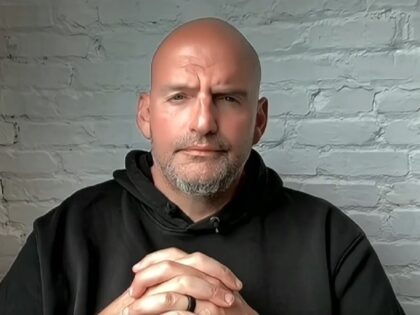
Sen. John Fetterman’s recent admission on CNN that switching parties would leave his voting record untouched is less a revelation than a candid admission of how little the “D” next to his name actually constrains him. In a Senate where procedural votes and messaging bills often mask deeper policy instincts, Fetterman has already shown a willingness to buck his caucus on issues ranging from energy production to crime—positions that overlap more with the pro-2A bloc than with coastal progressives. For gun owners, the takeaway is straightforward: labels are theater; what matters is whether a senator treats the Second Amendment as a fundamental right or a bargaining chip.
That independence carries real implications for Pennsylvania’s gun culture and the broader national debate. Fetterman’s state remains a manufacturing and rural stronghold where lawful carry, hunting traditions, and self-defense rights enjoy wide support; any senator who refuses to trade those priorities for party loyalty could become an unexpected firewall against magazine bans, red-flag expansions, or ATF rule-making by fiat. At the same time, his refusal to pivot on core issues signals that the Democratic coalition’s internal fractures are widening, giving pro-2A advocates fresh opportunities to peel off individual lawmakers rather than waiting for wholesale partisan realignment.
The larger lesson is that the gun-rights community should judge senators by their floor votes and committee behavior, not by the letter after their names. Fetterman’s candor underscores how fluid the current alignment has become and why consistent pressure—constituent contact, primary challenges, and public scorecards—remains more effective than hoping party affiliation alone will protect the right to keep and bear arms.


