

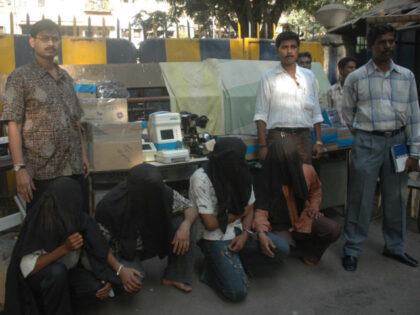
The takedown of three Indian-origin drug gangs across the U.S., Canada, and Europe exposes a dangerous pattern: governments that aggressively import low-wage labor from high-crime regions simultaneously disarm their own citizens, leaving communities exposed when those imported networks turn violent. Progressive immigration policies that prioritize volume over vetting have created parallel criminal ecosystems that operate with the same ruthlessness as the cartels, yet the political class still insists that only police—already stretched thin—should hold firearms. Law-abiding Americans watching these arrests should recognize the direct threat: every new wave of unvetted migrants increases the chance that the next shootout will happen in their neighborhood, not on some distant border.
For the 2A community this story is a live demonstration of why shall-issue carry and constitutional carry matter. When foreign gangs embed themselves inside American cities, response times from federal task forces measured in months are irrelevant; the armed citizen on the scene is the only immediate deterrent. The same politicians celebrating open borders and “sanctuary” policies are the ones who spent years trying to restrict magazine capacity, red-flag neighbors into disarmament, and turn every range into a bureaucratic obstacle course. The arrests prove the threat is real and transnational; the only question left is whether citizens will be legally equipped to meet it.
The broader implication is that immigration enforcement and the right to keep and bear arms are not separate issues—they are two sides of the same security ledger. A nation that cannot or will not control its borders inevitably imports the violence those borders were meant to exclude, and then lectures its people about trusting government protection that has already failed. The 2A exists precisely because history shows governments either cannot or will not protect every citizen at every moment; these gang busts are simply the latest reminder that the individual right to effective self-defense is not theoretical—it is the last line when imported criminal networks decide American streets are their next marketplace.


