

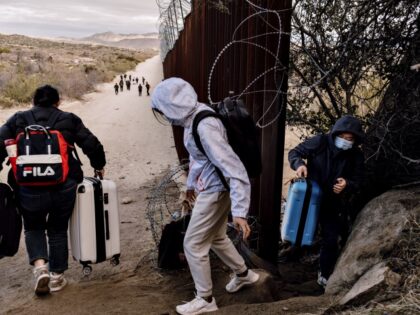
The Treasury Department’s latest findings reveal a striking economic consequence of President Trump’s border policies: the cartels’ once-lucrative human-smuggling pipelines are hemorrhaging revenue. With illegal crossings down sharply, the same organizations that once treated migrants as high-margin cargo are now forced to pivot back to their traditional cash cows—narcotics, extortion, and weapons trafficking. For the firearms community, that shift is more than a footnote; it underscores how enforcement at the southern border directly influences the flow of illegal guns and the criminal networks that arm them.
Cartels have long exploited porous borders to move both people and product in the same conveyances, using the chaos of mass migration as cover for smuggling firearms components, finished weapons, and the cash that buys more guns on either side of the line. When the human pipeline dries up, those same organizations must consolidate routes, tighten security, and rely more heavily on the black-market arms trade to maintain profits. The result is a measurable uptick in cartel-sourced firearms recovered inside the United States—an outcome that validates the long-standing argument that border security and domestic gun-crime reduction are inseparable.
For Second Amendment advocates, the lesson is clear: policies that restore operational control of the border do more than deter illegal immigration; they starve the very criminal enterprises that turn American guns into tools of cartel violence. By shrinking the profit margins that once subsidized sophisticated smuggling networks, the administration has delivered a tangible, if under-reported, win for lawful gun owners who understand that every rifle or pistol kept out of cartel hands is one less weapon available to justify future restrictions on their own rights.


