

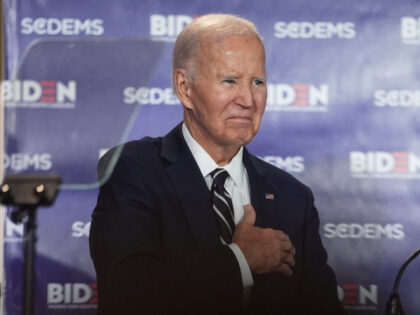
In a move that underscores the growing tension between transparency and political self-preservation, a federal judge has green-lit the release of redacted audio from Special Counsel Robert Hur’s interview with Joe Biden, effectively rejecting the former president’s attempt to keep the recordings under wraps. This isn’t merely a procedural win for open records advocates; it’s a reminder that even the highest offices aren’t immune to the same scrutiny the average gun owner faces when the administrative state flexes its regulatory muscle. For the 2A community, the parallel is unmistakable: just as Biden’s DOJ weaponized the ATF to reinterpret “engaged in the business” and push universal background checks without congressional approval, his legal team’s bid to suppress audio reveals a consistent instinct to control narratives rather than confront inconvenient facts.
The decision also highlights how selective transparency has become a tool of governance. While the Biden administration spent years lecturing gun owners about “common-sense” restrictions and the supposed dangers of “ghost guns,” it fought tooth and nail to shield its own chief executive from public examination of his mental acuity during a classified-documents probe. That same administration green-lit rules that treat law-abiding citizens’ private property as presumptively criminal unless registered, yet balked when its own words risked exposure. The 2A community has long warned that once government officials decide they can redefine statutory language or withhold evidence to suit political ends, no right is truly safe—especially one the Constitution explicitly declares “shall not be infringed.”
Looking ahead, the audio’s eventual release could further erode public trust in an administration already viewed by many as hostile to individual liberties. If the recordings confirm what Hur’s report only hinted at—questions about recollection and capacity—voters and courts alike may grow even more skeptical of expansive executive actions on firearms. For Second Amendment supporters, the lesson is clear: every expansion of administrative power, whether aimed at speech, due process, or the right to keep and bear arms, ultimately circles back to the same principle—government that can hide its own conduct can just as easily hide yours.


