

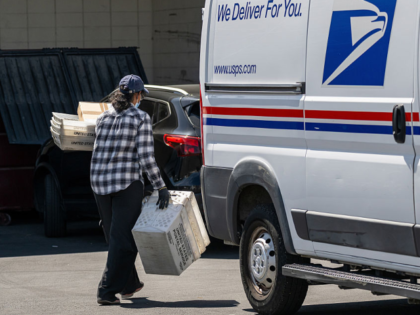
A federal judge’s decision to halt the Postal Service from enforcing President Trump’s executive order on mail-in ballots is more than a procedural dispute—it’s a stark reminder that the administrative state and sympathetic courts can override even the most basic election-integrity measures. The order sought to condition USPS handling of ballots on states maintaining clean voter rolls and basic chain-of-custody standards; blocking it effectively tells states they can keep shipping ballots to addresses that may no longer exist or to people who never requested them. For Second Amendment supporters, this is déjà vu: the same institutional reflexes that treat voter-ID laws as suspect also treat any attempt to verify who is receiving a ballot as an existential threat to “access.”
The deeper implication is that mail-in expansion without verification creates downstream pressure on every other constitutional right. When election outcomes rest on unverifiable paper flowing through a federal agency, the resulting officeholders feel little compunction about using regulatory, financial, or law-enforcement tools against disfavored groups—including the very citizens who rely on the Second Amendment for self-defense. We have already seen post-2020 surges in ATF reinterpretations, pistol-brace rules, and quiet attempts to nationalize background-check databases; those moves become politically cheaper when the people writing the checks believe their majorities are insulated from scrutiny.
Gun owners who treat ballot security as someone else’s problem are ignoring the causal chain that runs from loose mail-in rules straight to the agencies that license, register, and eventually attempt to confiscate firearms. The judge’s ruling didn’t just preserve a procedural status quo; it preserved the structural advantage that makes future erosions of the right to keep and bear arms easier to enact and harder to reverse.


