

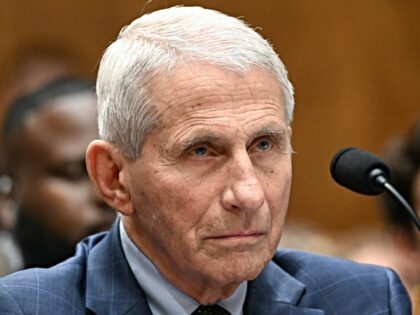
Dr. Anthony Fauci’s decision to plead the Fifth before a Senate panel isn’t just a procedural footnote—it’s a flashing red light for anyone who still believes the administrative state will police itself. When the nation’s most visible public-health official refuses to explain the origins of a virus that shuttered churches, shuttered businesses, and shuttered constitutional norms, the message to the rest of the bureaucracy is unmistakable: stonewall first, answer never. For Second Amendment supporters who watched the same agencies label lawful gun owners “domestic threats” while simultaneously shielding gain-of-function research from scrutiny, the hypocrisy is impossible to miss.
The deeper implication is institutional, not partisan. A government that can lock down an entire population on shifting rationales can just as easily redefine “sensitive places,” “assault weapons,” or “high-capacity magazines” whenever the political winds shift. If Fauci’s invocation of the Fifth signals that key officials now treat congressional oversight as optional, then every enumerated right—including the one that explicitly guards against tyranny—rests on thinner ice than most citizens realize. The 2A community has spent years documenting how emergency powers migrate from one policy domain to another; this episode simply confirms the pattern.
Ultimately, the episode should steel resolve rather than stoke despair. When the administrative class signals that accountability is optional, the only remaining check is an armed, informed, and organized citizenry—the very arrangement the Founders encoded in the Second Amendment. The lesson isn’t that one scientist dodged questions; it’s that the architecture of self-government still depends on an electorate unwilling to trade liberty for the promise of expert management.


