

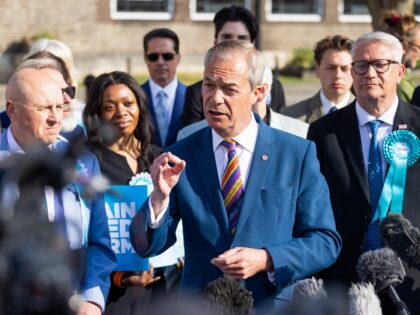
Nigel Farage’s pledge to open every file on the grooming-gang scandals and throw £300 million at a dedicated taskforce is more than a law-and-order headline; it is a blunt admission that entire towns were sacrificed to political correctness while the state looked the other way. For years, police and councils in Rotherham, Rochdale and elsewhere ignored the industrial-scale rape of working-class girls because the perpetrators were overwhelmingly Pakistani-Muslim and the authorities feared being labeled racist. Farage’s plan to prosecute the enablers as well as the rapists finally treats the cover-up as part of the crime, something the legacy parties have never been willing to do.
For the 2A community the lesson is immediate and practical: when government institutions systematically fail to protect the most vulnerable citizens, the right of law-abiding people to keep and bear arms becomes the last line of defense. Parents who watched their daughters preyed upon by organized gangs learned the hard way that relying solely on the police is a lethal gamble. An armed citizenry, trained and legally empowered, can deter predators long before any taskforce arrives, and the same principle applies on both sides of the Atlantic. Farage’s willingness to name the problem without apology also signals a broader cultural shift—once the taboo on honest talk about crime and immigration is broken, the parallel taboo on honest talk about self-defense can be broken as well.
The political implication is equally sharp. If Reform UK can turn a £300 million taskforce into a visible success, it will demonstrate that sovereignty and accountability still matter more than globalist pieties. That success would strengthen the argument that constitutional rights, including the Second Amendment, exist precisely because governments cannot be trusted to monopolize force. In short, Farage is not merely promising more detectives; he is reopening the question of who ultimately keeps the peace when the state has already surrendered it.


