

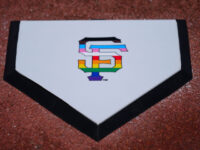
The San Francisco Giants’ decision to turn a Pride Night into a public vow-renewal ceremony for a same-sex couple drew swift backlash from longtime fans who called the spectacle “tacky” and tone-deaf to the team’s broader audience. Rather than simply celebrating inclusion, the club staged an on-field ceremony that blurred the line between a sporting event and a political statement, leaving many ticket-holders feeling the franchise had prioritized activism over baseball. In an era when corporations race to signal progressive virtue, the Giants’ choice illustrates how quickly a once-neutral entertainment product can alienate the very paying customers who keep the lights on.
For the 2A community the episode is a cautionary tale about institutional capture. Professional sports teams, like legacy media and academia, now treat cultural signaling as part of their brand equity; when that signaling collides with traditional values, the response is rarely accommodation—it is doubling-down and public shaming of dissenters. Gun owners have watched the same pattern unfold with league-wide gun-control messaging, stadium “safety” rules that effectively disarm law-abiding carriers, and partnerships with anti-2A politicians. The Giants’ Pride stunt is simply the latest reminder that institutions captured by one side of the culture war will not voluntarily respect viewpoint diversity, so self-defense-minded fans must respond with their wallets, their votes, and their own parallel institutions.
The larger implication is strategic: every time a major-league club converts its platform into a referendum on contested social issues, it accelerates the fragmentation of its audience. That fragmentation creates openings for new leagues, new events, and new sponsorship models that refuse to treat constitutional rights as optional accessories. The 2A community has already begun building those alternatives—shooting sports leagues, pro-carry training events, and media that celebrate both marksmanship and family tradition. If the Giants and their corporate peers continue to mistake cultural provocation for community-building, they will simply speed the migration of fans toward venues that still know the difference between a ballgame and a political rally.


