

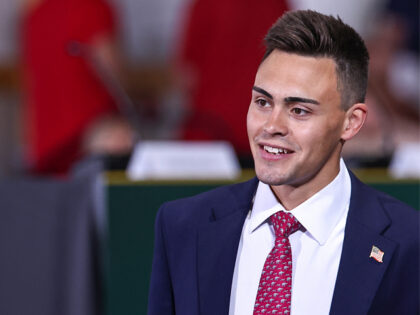
Trump’s decision to star in a district-wide TV spot for Michael Alfonso isn’t just another endorsement—it’s a calculated signal that the 2024 election cycle will be fought on the terrain of constitutional carry and the Second Amendment. By lending his unmistakable voice and image to a candidate in Wisconsin’s sprawling 7th District, the former president is reminding voters that the race isn’t merely about tariffs or inflation; it’s about whether the next Congress will treat the right to keep and bear arms as a non-negotiable birthright or as a bargaining chip for bipartisan “common-sense” deals. Alfonso, already running on a platform that includes national reciprocity and the elimination of the ATF’s pistol-brace rule, now inherits the Trump brand’s unmatched ability to turn out the very voters who view magazine bans and red-flag laws as existential threats.
For the 2A community, the ad’s timing is instructive. Wisconsin’s 7th is a rural-heavy swing seat where hunting culture and manufacturing jobs intersect; a single Trump spot can move numbers that months of grassroots canvassing cannot. The move also telegraphs a broader strategy: instead of courting suburban moderates with watered-down gun language, the Trump-aligned wing is doubling down on candidates who treat the right to arms as the gateway issue that unlocks every other conservative priority. If Alfonso wins, the House gains another reliable vote against funding gun-control NGOs through the ATF and another voice pushing to codify the Bruen decision into statute—outcomes that matter far more to gun owners than any single tweet.
The larger implication is that 2024 is shaping up as a referendum on whether the Second Amendment remains a living constitutional guarantee or becomes a historical footnote managed by administrative agencies. Trump’s willingness to appear on screen for Alfonso tells the grassroots that the fight will be waged candidate-by-candidate, district-by-district, and that the margin of victory may hinge on whether gun owners show up in the same numbers they did in 2016 and 2020. In short, the ad is less about one race in northern Wisconsin and more about locking in a congressional firewall that keeps future gun-control legislation from ever reaching the president’s desk.


