

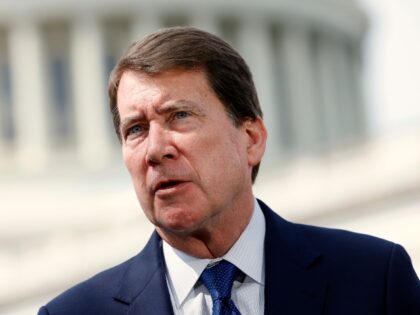
In a move that underscores the growing tension between federal authority and local anti-police activism, Sen. Bill Hagerty and fellow Republicans have fired back with joint resolutions aimed squarely at the D.C. Council’s latest round of law-enforcement-crippling measures. Rather than merely symbolic posturing, these resolutions expose how a handful of progressive council members are attempting to hamstring federal officers who protect the nation’s capital—officers whose presence also deters the spillover crime that inevitably threatens nearby states. For Second Amendment supporters, the message is unmistakable: when cities declare war on cops, they simultaneously declare war on the armed citizen who may one day have to fill the vacuum those same politicians create.
The timing is no accident. With crime statistics in the District still stubbornly elevated despite years of “reform,” the Council’s package doubles down on restrictions that treat federal agents as the problem rather than the solution. Hagerty’s resolutions serve as both a procedural brake and a political spotlight, reminding voters that congressional oversight remains one of the few guardrails left when local ideologues prioritize slogans over safety. In practical terms, any weakening of federal law-enforcement capacity in D.C. increases the likelihood that law-abiding residents and visitors will need to rely on their own firearms for protection—an outcome the 2A community has long predicted whenever “defund” rhetoric meets real-world consequences.
For gun owners watching from across the Potomac, the episode is a cautionary tale wrapped in an opportunity. It illustrates how quickly anti-police ordinances can migrate from one progressive enclave to neighboring jurisdictions, and it highlights why constitutional carry and robust self-defense statutes are not luxuries but necessities in an era of deliberate policing retreat. If Hagerty’s resolutions succeed in restoring a measure of accountability, they will have done more than rebuke one city council—they will have reaffirmed that the right to keep and bear arms exists precisely because government cannot always be counted on to perform its most basic duty: protecting its citizens.


