

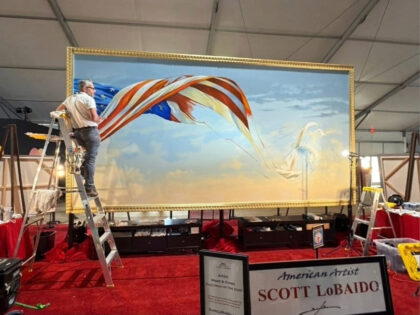
Scott LoBaido’s colossal canvas isn’t just a record-breaking flag—it’s a living reminder that the Stars and Stripes still flies highest when ordinary citizens refuse to let its meaning fade. While bureaucrats in D.C. debate new restrictions on everything from pistol braces to standard-capacity magazines, LoBaido is out on the National Mall proving that patriotism isn’t a relic; it’s an act of daily defiance. His brushstrokes echo the same spirit that once rang from Lexington green: the conviction that rights are not gifts from government but birthrights worth painting, defending, and, when necessary, fighting to keep.
For the 2A community, the timing couldn’t be more pointed. As the nation marks 250 years, the same flag LoBaido is rendering in oil has long served as both shield and target—shield for those who see the Second Amendment as the practical guarantor of every other freedom, target for those who treat it as an embarrassing footnote. Every visitor who stops to watch the painting being completed is, consciously or not, affirming that the right to keep and bear arms remains woven into the fabric LoBaido is celebrating. The larger the flag grows, the harder it becomes to ignore that the liberty it represents was secured by armed citizens and is preserved by them still.
LoBaido’s work also quietly rebukes the cultural narrative that equates national pride with extremism. In an era when flying the flag can draw campus scorn or corporate side-eye, an unapologetic, monumental tribute on the National Mall reclaims patriotism as mainstream and muscular. For gun owners who have watched their ranges shuttered, their magazines limited, and their self-defense rights legislated into ever-smaller boxes, the painting stands as both inspiration and warning: symbols endure only when the people behind them stay vigilant. As the canvas dries in time for America’s semiquincentennial, the message is unmistakable—the flag is big because the fight to keep it flying free is bigger still.


