

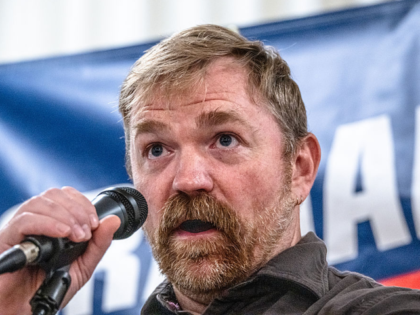
The RNC’s new video captures Democrats in full damage-control mode as they dodge and deflect questions about Graham Platner’s Senate bid, and the awkwardness on display is more than just political theater—it’s a window into how fragile the party’s messaging has become on issues that actually matter to voters. Platner’s controversies have forced surrogates into verbal gymnastics that reveal a deeper discomfort: when pressed, many Democrats still can’t comfortably reconcile their public support for a candidate whose record clashes with the values of rural and working-class Mainers who prize self-reliance and constitutional rights. For the 2A community, this isn’t just another campaign gaffe reel; it’s evidence that even in a state Democrats desperately want to flip, their candidates are struggling to hide the anti-gun instincts that define the national party.
What makes the footage especially telling is how little room the party has left to maneuver. After years of pushing magazine bans, red-flag laws, and “assault weapon” restrictions at the federal level, Democratic candidates now face voters who remember those positions even when the candidates try to soft-pedal them on the trail. Platner’s situation forces the issue into the open in a purple state where hunting culture and constitutional carry enjoy broad support, and the squirming captured by the RNC underscores how difficult it is to thread the needle between national donor demands and local electoral reality. The result is a campaign that looks less like a confident march toward a Senate majority and more like a defensive crouch.
For gun owners watching the 2026 cycle, the takeaway is straightforward: candidates who must hedge on the Second Amendment are candidates who will ultimately side with the restrictions their party’s base demands. The RNC video doesn’t just embarrass a few surrogates—it spotlights the structural problem Democrats face in states where firearms ownership isn’t a culture-war abstraction but a lived tradition. If Platner’s troubles continue to dominate the conversation, they’ll serve as an early warning that enthusiasm for flipping Senate seats may run headlong into the same gun-control priorities that have already cost the party ground in rural America.


