

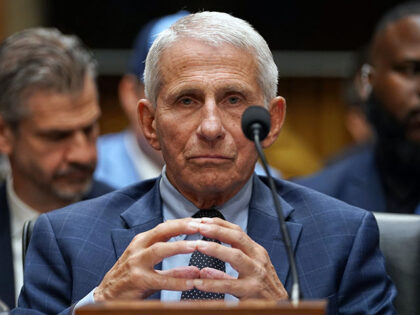
Sen. Rick Scott’s blunt assessment of Dr. Anthony Fauci—that the former NIAID chief was driven more by ego than by science—lands like a warning shot for anyone who still trusts federal agencies to stay in their lane. During the pandemic, Fauci’s public persona became the policy, and that policy repeatedly sidelined the very constitutional guardrails that protect individual liberty. When a single bureaucrat can close churches, shutter businesses, and muzzle dissent with the stroke of a press-conference microphone, the Second Amendment’s role as the ultimate check on government overreach comes into sharper focus than ever.
For the 2A community, the Fauci era was a live-fire demonstration of how quickly “public-health emergency” can morph into “emergency powers,” complete with hastily written executive orders that treated law-abiding gun owners as presumptive threats. Background-check delays stretched from days to weeks, FFLs were arbitrarily deemed “non-essential,” and some states floated red-flag proposals that bypassed due process under the banner of crisis management. Scott’s critique reminds us that these weren’t one-off mistakes; they were the predictable result of entrusting unelected officials with unchecked authority—an authority that history shows rarely stops at viruses or vaccines.
The takeaway is straightforward: if an agency head’s ego can override legislative intent on something as basic as the right to assemble or worship, the same machinery can be repurposed to target the right to keep and bear arms. That’s why vigilance, state-level nullification statutes, and a judiciary willing to enforce constitutional text remain indispensable. The pandemic may be receding, but the precedent it set is still very much in circulation, and the 2A community’s job is to make sure it never becomes permanent.


