

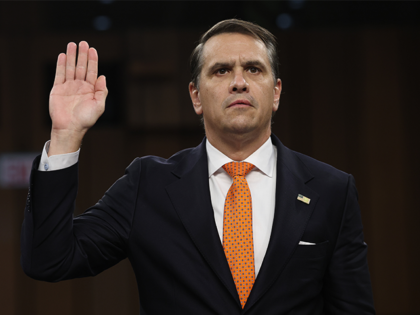
Rep. Jim Jordan’s endorsement of Todd Blanche for attorney general is more than a routine confirmation push—it’s a signal that the incoming administration intends to restore the Department of Justice to its core mission of equal justice under law rather than selective political enforcement. Blanche’s record as a no-nonsense litigator who has defended clients against weaponized federal power suggests he understands how federal agencies can chill the exercise of constitutional rights, including the Second Amendment. For the 2A community, that matters: an attorney general who views the Bill of Rights as a limit on government, not a menu of privileges to be granted or revoked, could finally shift the DOJ away from the Obama-Biden era pattern of treating lawful gun owners as presumptive threats.
The stakes are immediate. Under the last administration, the ATF floated rules that would have turned millions of pistol-braced firearms into felonies overnight, while the DOJ pursued high-profile cases against non-violent gun owners even as it downplayed violence in Democrat-run cities. A Blanche-led Justice Department is more likely to demand that any new regulation survive both statutory text and constitutional scrutiny, and to prioritize prosecuting actual violent criminals over paperwork violations by otherwise law-abiding citizens. Jordan’s public backing also telegraphs to Senate Republicans that this is a confirmation fight worth winning quickly, before entrenched DOJ careerists can reassert the regulatory reflex that has defined the agency for the past decade.
If confirmed, Blanche would inherit not only the ATF’s pending pistol-brace and frame-and-receiver rules but also the broader question of whether federal agencies can continue to rewrite statutes through “guidance.” His approach will test whether the post-Chevron landscape truly reins in the administrative state or merely slows it. For gun owners who have watched decades of executive-branch mission creep, the difference between a DOJ that sees the Second Amendment as an obstacle and one that treats it as a command will be measured in cases brought, rules withdrawn, and—most importantly—rights restored.


