

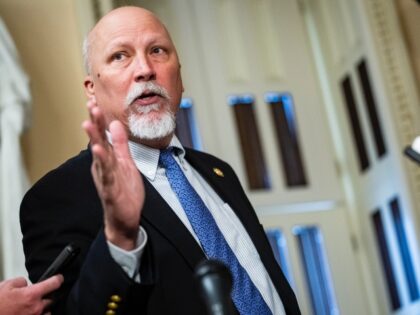
Rep. Chip Roy’s push for hard numbers on deportations isn’t just about immigration enforcement—it’s a direct shot across the bow at the same federal agencies that have spent years treating law-abiding gun owners like domestic threats while turning a blind eye to actual border chaos. By demanding DHS cough up precise deportation figures under the Trump administration, Roy is exposing how previous regimes weaponized bureaucracy to flood the interior with unvetted migrants, many of whom later appear in crime data that the media prefers to bury. For the 2A community, this matters because every illegal who slips the system without a background check or vetting represents another potential vector for the very violence that gun-control advocates claim only “assault weapons” cause—yet the same agencies slow-walk lawful firearm purchases under NICS while releasing criminal non-citizens back into communities.
The real story here is accountability: if DHS can’t—or won’t—produce clean deportation stats, it signals the same institutional resistance that has long plagued efforts to restore constitutional carry or protect FFLs from ATF overreach. Pro-2A Americans have watched federal resources diverted toward red-flag laws and pistol-brace bans while sanctuary jurisdictions shield repeat offenders from ICE detainers; Roy’s letter forces the numbers into daylight so voters can see whether enforcement is theater or substance. When the border is a sieve, the Second Amendment becomes the last line of defense for citizens who can’t count on federal protection—making every verified deportation not just an immigration win, but a tangible reduction in the pool of individuals who never should have been here to begin with.
Ultimately, this isn’t abstract policy wonkery; it’s about whether the administrative state will finally prioritize American safety over open-border ideology. Gun owners already know the pattern—agencies that drag their feet on deporting threats are the same ones that treat every lawful purchase as a potential crime—so Chip Roy’s demand for specifics is a necessary first step toward realigning federal priorities with the Constitution’s actual hierarchy: citizens first, enforcement second, and excuses last.


