

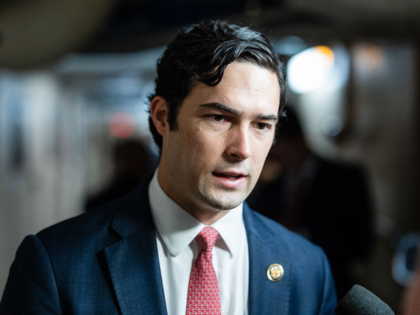
Rep. Brandon Gill’s bill isn’t just about language; it’s a quiet but unmistakable signal that the United States still expects its newest citizens to join the same national conversation that produced the Constitution and the Bill of Rights. When naturalized Americans can read the Federalist Papers, the debates at Philadelphia, and the plain text of the Second Amendment without a translator, they are far more likely to understand that the right to keep and bear arms is not a government-granted privilege but an individual safeguard against tyranny. Gill’s measure therefore functions as a cultural firewall: it slows the importation of hyphenated identities that treat the Second Amendment as an alien or optional concept rather than the cornerstone of ordered liberty.
For the 2A community the stakes are practical as well as philosophical. English proficiency correlates strongly with civic literacy, jury service, and the ability to navigate ATF regulations, shall-issue permitting, and the growing thicket of state-level restrictions. A citizen who cannot read the difference between a semiautomatic rifle and a machine gun is easier prey for the next “assault-weapon” ban dressed up in bureaucratic jargon. By insisting on a common tongue, Gill’s legislation indirectly strengthens the electorate that will decide whether the right to bear arms remains robust or is whittled away by officials who count on linguistic confusion to mask their intent.
The deeper implication is demographic and electoral. As naturalization numbers climb, the language requirement becomes a proxy fight over whether future voters will view the Second Amendment as an inheritance worth defending or as an eccentric American eccentricity to be repealed by simple majority. Gill’s bill forces that question into the open at the moment citizenship is granted, reminding both newcomers and the native-born that the republic’s founding documents were written in one language for one people—and that preserving that linguistic unity is the first, quiet step toward preserving every other enumerated right that follows.


