

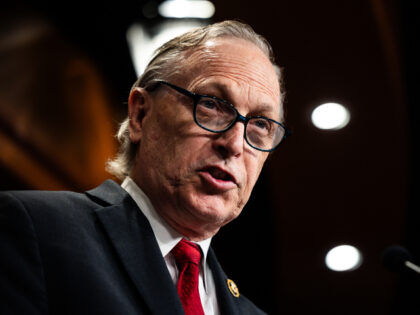
Rep. Andy Biggs is right to flag the DSA’s primary wins in New York as more than local curiosities; they mark the moment when the Democratic Party’s center of gravity has slid so far left that yesterday’s fringe is today’s frontrunner. These victories aren’t accidents of low-turnout races—they’re the predictable harvest of a decade-long effort to normalize policies that treat private property, including the private ownership of arms, as inherently suspect. When candidates openly campaign on wealth taxes, rent control, and “community control” of policing, the Second Amendment is no longer a negotiating point; it’s an obstacle to be removed through registration schemes, insurance mandates, and eventual confiscation framed as “public safety.”
For gun owners, the danger isn’t theoretical. States that have already embraced similar platforms—California, New York, Illinois—now lead the nation in new restrictions, from serialized ammunition to red-flag laws that bypass due process. If DSA-style candidates replicate their success nationally, the federal apparatus they inherit will be used to nationalize those experiments: universal background checks that double as registries, import bans sold as “assault weapon” measures, and funding streams that starve pro-2A states of law-enforcement grants unless they adopt the same menu. The 2024 and 2026 cycles will test whether Republican messaging can make this connection visceral before the machinery of federal power shifts again.
The takeaway for the firearms community is straightforward: electoral complacency anywhere hands the institutional left another lever to pull. Primary turnout, state legislative defense, and relentless exposure of these candidates’ records on guns are no longer optional activism—they’re the difference between continued access to modern firearms and a managed decline into permit-and-confiscate governance. Biggs’s warning is less about New York exceptionalism than about the speed at which yesterday’s unthinkable becomes tomorrow’s statute.


