

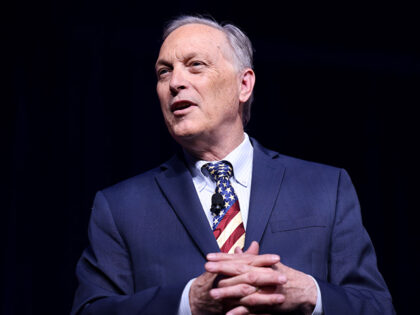
Arizona’s border crisis isn’t just a humanitarian or fiscal issue—it’s a direct pipeline for the very firearms that anti-Second Amendment politicians claim to fear. When Gov. Katie Hobbs ordered the dismantling of shipping containers and concertina wire that federal agents had placed to slow illegal crossings, she effectively widened the on-ramps for cartel smugglers who move both people and guns. Rep. Andy Biggs’s pledge to restore those barriers isn’t merely tough-on-crime rhetoric; it’s a recognition that unsecured stretches of desert serve as de-facto distribution networks for weapons that later surface in Phoenix gang shootings or are trafficked back across the line as “crime guns” in ATF trace data.
For the 2A community, the stakes are straightforward: every mile of open desert under Hobbs-style governance adds statistical fuel to the narrative that “more guns equal more crime,” giving gun-control advocates fresh anecdotes to push magazine bans, red-flag expansions, and universal background checks. Biggs’s approach—pairing physical barriers with state-level cooperation on prosecutions—starves that narrative by cutting off the illicit supply at its source. In practical terms, fewer illegal entries mean fewer opportunities for straw purchasers, ghost-gun builders operating outside the law, and the kind of cross-border violence that urban mayors exploit to justify restricting lawful carry.
The 2026 gubernatorial race will therefore function as a referendum not only on immigration numbers but on whether Arizona intends to keep handing its political opponents ready-made talking points against lawful gun owners. Electing a governor who treats border security as a Second Amendment issue rather than a partisan wedge could set a template for other border states and blunt the steady drip of “emergency” gun measures that follow every cartel-fueled incident.


