

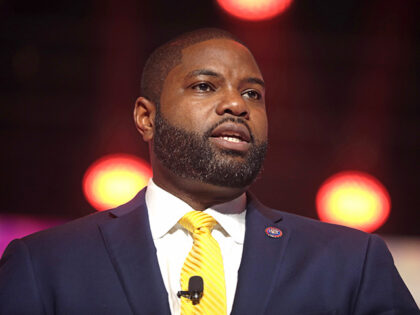
Byron Donalds isn’t just echoing a campaign slogan when he says Floridians want their state to “remain the free state of Florida”—he’s drawing a bright line between a governor who treats the Second Amendment as non-negotiable and one who would import the very policies that turned once-free states into cautionary tales. In a political environment where national Democrats continue to push magazine bans, red-flag laws, and “assault weapon” restrictions, Donalds’ pledge signals that Florida’s constitutional-carry statute and its rejection of permit-to-purchase schemes will stay intact under his watch. That matters to gun owners who have watched neighboring states flirt with California-style restrictions; a Donalds victory would lock in Florida as the eastern anchor of pro-2A governance rather than another domino waiting to fall.
The deeper implication is demographic and cultural. Florida’s explosive population growth has brought both liberty-minded transplants and coastal progressives who view gun ownership through a public-health lens. Donalds’ framing—“not radically changed by leftists”—is a direct appeal to the former while warning the latter that any attempt to import New York or Illinois gun-control models will meet unified resistance from a governor who already carries an A+ rating from the NRA and has consistently opposed federal gun-control measures on Capitol Hill. For the firearms industry, that continuity translates into predictable regulatory terrain: no surprise pistol-roster laws, no rushed permitting delays, and a legislature likely to keep expanding preemption statutes that shield local governments from passing their own restrictions.
Ultimately, Donalds is betting that Floridians who moved to the state precisely to escape high-tax, high-regulation environments will treat gun rights as part of the same bundle of freedoms that includes no state income tax and strong property-rights protections. If that coalition holds, Florida doesn’t merely stay “free”—it becomes the model other red states study when they weigh whether to double down on constitutional carry or inch toward the middle. For 2A advocates, the race isn’t just about one man’s political future; it’s about whether the nation’s third-most-populous state remains a refuge or becomes the next battleground.


