

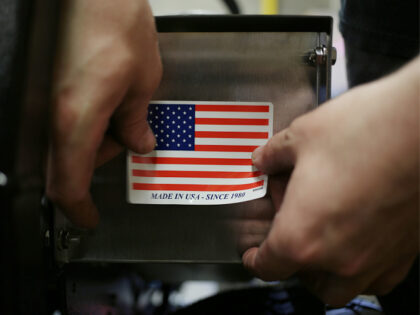
The FTC’s fresh push under Chairman Andrew Ferguson to punish companies that slap “Made in the USA” labels on foreign-made goods is more than a consumer-protection story—it’s a direct shot across the bow of the globalist supply chains that have hollowed out American manufacturing for decades. When a product is falsely marketed as domestic, buyers are robbed of the chance to reward U.S. workers and U.S. factories, and that matters acutely in the firearms sector where every stamped receiver, barrel blank, and optic mount carries both economic and national-security weight. Ferguson’s “unprecedentedly aggressive” enforcement signals that regulators are finally willing to treat origin fraud as the serious deception it is, rather than a harmless marketing flourish.
For the 2A community this crackdown lands at a critical moment. Domestic producers of everything from AR-pattern rifles to precision bolt guns have spent years competing against imports that hide behind misleading labels or exploit loopholes in country-of-origin rules. When the FTC starts levying real penalties, those same producers gain breathing room to expand capacity, hire American gunsmiths, and keep critical machining know-how inside the United States—exactly the kind of industrial resilience that keeps the Second Amendment meaningful in practice, not just on paper. Consumers who deliberately seek out U.S.-made firearms, suppressors, and ammunition now have a stronger regulatory backstop ensuring their dollars actually stay here.
The broader implication is that enforcement actions like these can ripple outward into policy debates about tariffs, reshoring incentives, and even export controls on dual-use manufacturing equipment. If the FTC keeps the pressure on, expect more companies to move final assembly, heat treating, and quality-control steps back onto American soil, creating both jobs and a deeper bench of skilled labor that defense contractors and civilian manufacturers alike can draw from. In short, cracking down on fake “Made in the USA” claims isn’t just about truth in advertising—it’s about preserving the industrial base that equips a free people to keep and bear arms.


