

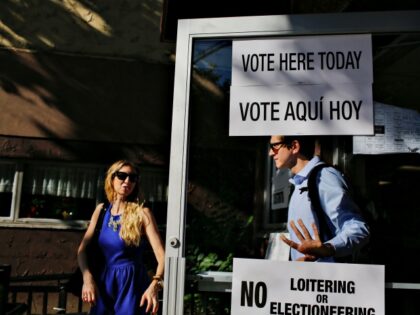
The revelation that foreign nationals have been casting ballots in New Jersey elections for the past three cycles is more than a bureaucratic “software error”—it’s a flashing red light on the integrity of the entire electoral system. When non-citizens are accidentally (or conveniently) folded into the voter rolls, every downstream decision, from school boards to the White House, carries an asterisk. For the Second Amendment community, that asterisk matters: the same agencies tasked with keeping ineligible voters out of the booth are also the ones writing pistol-brace rules and “ghost-gun” edicts. If they can’t—or won’t—maintain a clean list of citizens, why should gun owners trust them to draw the constitutional limits of the right to keep and bear arms?
What’s worse, the episode hands anti-2A lawmakers a ready-made excuse. Expect to hear that “safeguarding democracy” requires yet another layer of federal oversight—digital IDs, expanded ATF trace data, maybe even a national firearms registry dressed up as “election security.” The truth is the reverse: secure elections and secure rights start with bright-line rules enforced at the state level, not with another Washington database that gun owners will inevitably have to feed. New Jersey’s fiasco is a cautionary tale that the same machinery used to dilute the vote can just as easily be retooled to dilute the right to self-defense.
The takeaway for pro-2A citizens is straightforward. Demand voter-roll maintenance that is transparent, frequent, and immune to the “whoops” defense. Insist that citizenship verification precede any interaction with government systems—driver’s licenses, benefits portals, and, yes, firearm background checks. And recognize that every ineligible ballot isn’t merely a statistical anomaly; it’s an extra molecule of pressure on the scale that decides whether our gun rights expand or evaporate in the next legislative session.


