

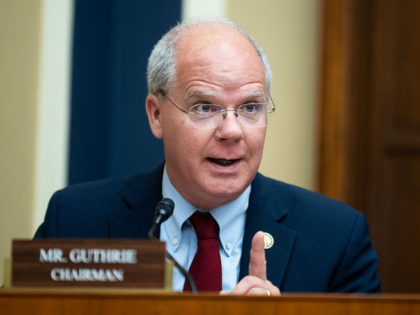
In a move that could reshape how Americans shop for medical care, the House Energy and Commerce Committee is preparing to shine a spotlight on healthcare price transparency—an issue long championed by President Trump as central to his “Great Healthcare Plan.” Chairman Brett Guthrie’s announcement signals more than another round of hearings; it marks a deliberate push to arm consumers with real price data before they walk into a doctor’s office or hospital. For the firearms community, the parallel is unmistakable: just as gun owners have fought for years to expose the hidden costs and regulatory burdens placed on lawful firearm purchases, patients are now demanding the same clarity when it comes to their own bodies. When prices are hidden, middlemen and bureaucrats thrive; when they are exposed, competition follows and costs drop—exactly the dynamic Second Amendment advocates have long argued should apply to every constitutionally protected transaction.
The timing is no accident. With Republicans controlling both chambers and the White House, the committee has a rare window to convert transparency rhetoric into enforceable law, potentially requiring hospitals and insurers to post cash prices the way FFLs must display transfer fees. That kind of sunlight tends to travel. If Congress succeeds in forcing healthcare providers to compete on price, the same logic will become harder to dismiss when applied to ammunition taxes, background-check surcharges, or the quiet inflation of permit-to-purchase fees. Law-abiding gun owners already navigate a marketplace where every added dollar is justified by “public safety,” yet rarely justified by actual data; a successful healthcare transparency model could serve as Exhibit A that mandated secrecy rarely serves the consumer.
Ultimately, this hearing is less about medicine and more about power—who controls information and who pays the price for ignorance. The 2A community has watched for decades as regulatory creep in one sector quietly migrates to another; breaking the information monopoly in healthcare could slow that migration. If Chairman Guthrie’s committee can turn Trump-era promises into statute, the ripple effects may reach far beyond hospital billing departments, reminding legislators that transparency is not a niche healthcare issue but a governing principle that protects every enumerated right—including the one that keeps the others secure.


