

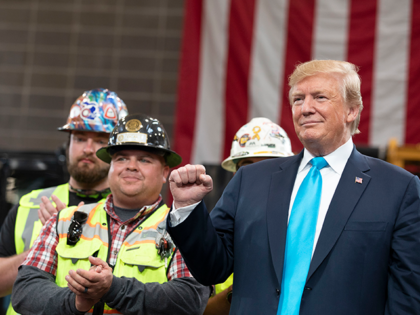
The Coalition to Protect American Workers’ new white paper lays bare a seismic shift: even with 95 percent of the biggest union PAC dollars aimed squarely at defeating him, Donald Trump still hauled in 45 percent of union households in 2024. That number isn’t just a polling curiosity; it signals that rank-and-file workers are increasingly tuning out the institutional voices that claim to speak for them. When union bosses write the checks and the members vote the other way, the old labor-political machine starts to look more like a fundraising apparatus than a genuine voice of the working class.
For the 2A community the takeaway is immediate and strategic. Those same union households that broke for Trump are the demographic that still owns the largest share of America’s privately held firearms and the largest bloc of skilled tradespeople who rely on tools—many of them firearms—for their livelihoods. When they reject the gun-control orthodoxy pushed by their own leadership, they expose the cultural disconnect that has long hampered anti-Second Amendment efforts in blue-collar states. The data suggests that outreach built on shared economic populism and constitutional rights can peel away traditional Democratic voters faster than any amount of union PAC spending can glue them back together.
The longer-term implication is a realignment that could lock in pro-2A majorities in statehouses and Congress even when national media narratives insist the opposite. If union members continue to prioritize pocketbook issues, border security, and the right to keep and bear arms over the social-issue checklist handed down from Washington, then every future election cycle becomes a contest over who can speak most credibly to that lived experience rather than who can outspend the other side. The white paper doesn’t just document one election result; it sketches the fault line that will define the next decade of gun-policy fights.


