

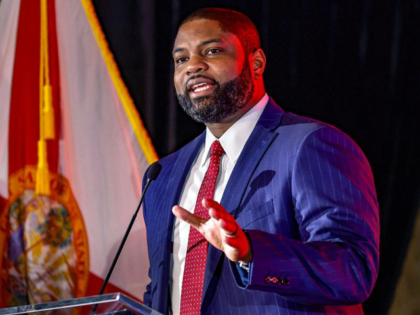
Byron Donalds’ closing pitch in the Florida governor’s race is a reminder that the next governor will inherit a state whose explosive population growth is colliding with a cost-of-living crisis that touches everything from housing to groceries. Donalds is betting that his congressional record—especially his work on the House Financial Services Committee—gives him the clearest line of sight on how to keep taxes low, energy prices stable, and regulations from choking small businesses. For the 2A community, that matters because Florida’s gun owners have watched neighboring states turn affordability into a pretext for hiking fees, imposing new training mandates, or quietly starving sheriffs’ offices of the resources needed to process carry-permit applications. Donalds’ emphasis on “experience managing massive growth” is code for keeping Florida from importing the very policies that have driven Californians and New Yorkers here in the first place.
The deeper implication is that the affordability debate is no longer just about property-insurance premiums or grocery bills; it is about whether Florida can remain a magnet for the firearms industry itself. Manufacturers, ranges, and training outfits are already scouting expansion sites, and they are watching which candidate signals that the Second Amendment will remain a non-negotiable part of the state’s economic-development pitch. Donalds’ argument that only he has the résumé to protect both the culture and the balance sheet is aimed squarely at voters who remember how quickly “moderate” governors in other states green-lit backdoor restrictions once budgets got tight. If he can tie cost-of-living relief to a promise that the right to keep and bear arms will not be treated as a line item to be balanced away, he locks in a coalition that shows up in both primaries and generals.
The August 18 primary is therefore less a traditional gun-rights litmus test than a stress test of whether Florida’s pro-2A majority will reward the candidate who treats constitutional carry and shall-issue permitting as non-negotiable infrastructure for a low-tax, high-growth state. Donalds is positioning himself as the only one with the spreadsheets and the voting record to make that case.


