

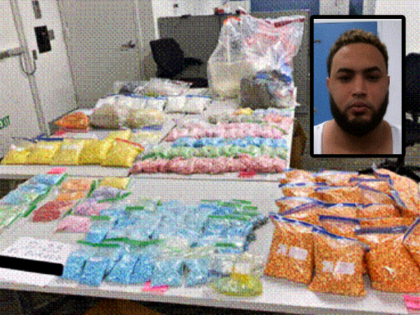
The Biden administration’s decision to release an illegal alien later tied to a counterfeit drug ring that killed a 40-something Army veteran is more than a border-security failure—it is a textbook example of how lax enforcement creates ripple effects that reach every corner of American life, including the right to keep and bear arms. When federal resources are diverted to processing and releasing foreign nationals instead of interdicting transnational criminal networks, the same porous southern border that funnels fentanyl precursors also becomes a highway for the ghost guns, smuggled handguns, and black-market ammunition that criminals use to prey on law-abiding citizens. The 2A community has long warned that an unsecured border is not merely a humanitarian or fiscal issue; it is a direct threat to the ability of Americans to exercise self-defense when government cannot—or will not—protect them.
Beyond the immediate tragedy, the story underscores a deeper policy contradiction: while the prior administration flooded the interior with individuals whose backgrounds it could not fully vet, it simultaneously pursued aggressive measures to restrict the rights of citizens who pose no threat. The result is a two-tier system in which foreign nationals with criminal histories move freely and U.S. veterans and their families are told they must rely on the very authorities who failed to stop the counterfeit pills that ended one veteran’s life. For gun owners, the lesson is clear—border sovereignty and the Second Amendment are not separate debates; they are interlocking pillars of the same constitutional structure. When one collapses, pressure on the other intensifies, whether through rising urban violence that justifies new gun-control proposals or through the simple, brutal reality that armed citizens may again be forced to fill the security vacuum left by federal inaction.


