

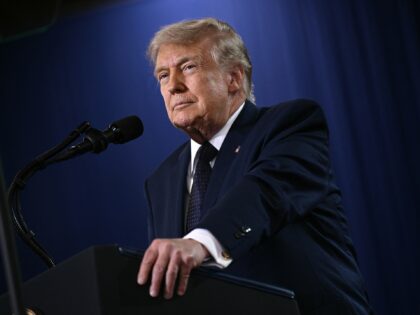
When the floodgates opened under President Trump, it wasn’t just abstract GDP charts or Wall Street tickers that moved—it was the lived experience of everyday Americans who suddenly found capital, customers, and confidence flowing again. Callers to Breitbart News Daily described businesses that had been treading water suddenly scaling, hiring, and expanding, a tangible reversal from the regulatory headwinds and uncertainty that defined the prior administration. For the firearms community, that economic thaw carried an extra layer of meaning: when people feel secure in their paychecks and future prospects, they are far more willing to invest in the tools of self-reliance, whether that means stocking a reloading bench, upgrading optics, or finally purchasing that first defensive firearm.
The connection runs deeper than simple disposable income. A robust economy tends to blunt the political appetite for new restrictions; legislators are less inclined to target an industry that is visibly employing thousands and generating tax revenue in districts across the map. At the same time, the same prosperity that fuels gun sales also strengthens the broader coalition defending the Second Amendment—more small-business owners, tradespeople, and middle-class families who now have both the means and the motivation to push back against incremental infringements. In short, the economic momentum described on Breitbart isn’t merely background noise for 2A advocates; it is a structural tailwind that makes sustained cultural and legislative defense of the right to keep and bear arms more attainable.


