

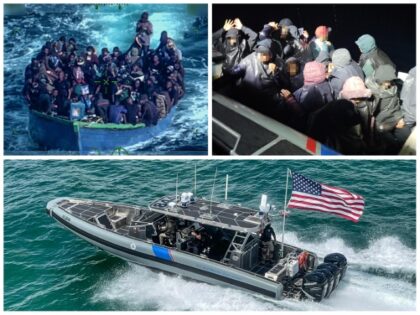
In a striking display of just how porous America’s maritime borders remain, U.S. Customs and Border Protection Air and Marine Operations, working alongside Border Patrol and ICE Homeland Security Investigations, intercepted a small smuggling vessel off the western coast of Puerto Rico carrying 64 illegal aliens. This wasn’t some minor incursion; it was a single operation netting more unauthorized migrants than many rural counties see in a year. The fact that smugglers felt confident enough to attempt a landing on U.S. soil with that many people in one rickety boat speaks volumes about the current state of enforcement—or lack thereof—under policies that continue to treat border security as an afterthought rather than a national imperative.
For the 2A community, stories like this are more than headlines about immigration; they represent another data point in the erosion of sovereignty and the rule of law. Every successful or near-successful smuggling run reinforces the reality that federal authorities are stretched thin, sometimes to the breaking point. When cartels, transnational gangs, and opportunistic migrants can treat our coastal borders like a revolving door, the burden of self-defense inevitably shifts downward to states, localities, and ultimately law-abiding citizens exercising their Second Amendment rights. Puerto Rico itself has seen violent crime rates that make many mainland cities look tame; adding unchecked illegal immigration into the mix only exacerbates resource strain on already overwhelmed local law enforcement, leaving responsible gun owners to shoulder more of the personal security load.
The broader implication is clear: secure borders are a prerequisite for domestic tranquility, not some partisan talking point. As federal agencies rack up impressive interdiction numbers like this one, they simultaneously highlight how many similar vessels likely slip through undetected. For those who cherish the right to keep and bear arms, this reality underscores why vigilance, preparedness, and political pressure for actual border enforcement matter. When the government cannot or will not reliably control who enters the country by sea, Americans retain both the constitutional right and the practical necessity to defend themselves, their families, and their communities by any lawful means necessary.


