

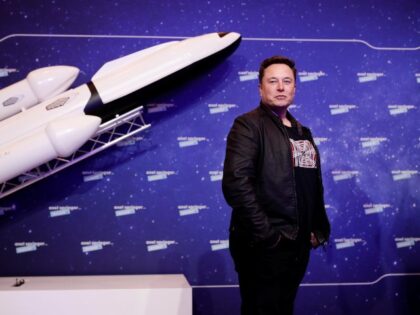
SpaceX’s debut earnings call and the sudden flood of nearly a billion newly unlocked shares are more than just Wall Street theater—they’re a real-time stress test of how a company whose founder is also the most visible defender of digital free speech and civilian spaceflight will handle public-market scrutiny. For the firearms community, the parallel is obvious: just as 2A advocates have watched social-media platforms throttle discussion of self-defense and lawful gun ownership, they now have a front-row seat to see whether a Musk-led enterprise can resist the same pressure once activist funds and legacy media start parsing every line of the earnings transcript for political leverage.
The lock-up expiration adds another layer. When that many shares hit the tape, volatility is guaranteed, and volatility invites narrative spin. Expect the same outlets that once labeled Musk an “existential threat to democracy” for buying Twitter to frame any dip—or even routine profit-taking—as proof that his broader agenda is “bad for business.” The 2A crowd has lived through that script before; the difference this time is that Musk’s companies sit at the intersection of national security, cutting-edge manufacturing, and cultural influence, giving gun owners a vested interest in whether shareholder optics begin to muzzle his public defense of individual rights.
Bottom line, Tuesday’s numbers and Thursday’s share dump will reveal whether SpaceX can absorb institutional noise without trimming the very principles—free expression, technological self-reliance, skepticism of centralized control—that resonate with armed, independent-minded Americans. If Musk holds the line, it strengthens the case that pro-liberty voices can survive, and even thrive, inside the public markets; if optics win, it’s another cautionary tale about what happens when capital markets become cultural enforcement mechanisms.


