

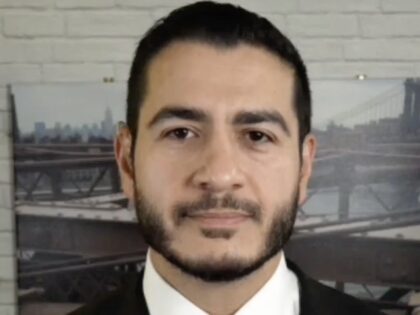
Abdul El-Sayed’s claim that the Trump administration is “weaponizing immigration against the Constitution” is the kind of rhetorical escalation that reveals more about the speaker’s priorities than about any actual threat to the document. In reality, the administration’s enforcement actions—targeted deportations, E-Verify expansion, and pressure on sanctuary jurisdictions—represent a straightforward exercise of sovereign authority that the Constitution itself assigns to the federal government. By framing routine border control as an assault on founding principles, El-Sayed is attempting to invert the narrative: the real constitutional friction arises when states and cities nullify federal immigration law, not when Washington finally enforces it. For Second Amendment supporters, the parallel is obvious; the same logic that treats immigration enforcement as optional can just as easily be turned against the right to keep and bear arms once a different administration decides the Second Amendment is inconvenient.
The deeper implication is that progressive candidates are now openly testing whether voters will accept the premise that federal law itself is the problem whenever it conflicts with open-border ideology. That framing matters to gun owners because the same coalition pushing sanctuary policies has repeatedly argued that certain classes of citizens—whether based on immigration status, mental-health adjudications, or “red-flag” criteria—should be stripped of rights without due process. When El-Sayed accuses the administration of weaponizing immigration, he is really signaling that any future Democratic government should feel equally free to weaponize regulatory or criminal-justice tools against the right to arms. The 2A community has watched this pattern before: rhetoric that begins with “common-sense” restrictions on one group quickly migrates to broader disarmament efforts once the political climate shifts.
What El-Sayed’s comments ultimately expose is a strategic choice to treat constitutional limits as obstacles rather than guardrails. If immigration enforcement can be recast as unconstitutional, then any enforcement of the Second Amendment’s text can be recast the same way. Gun owners who value consistent application of the Constitution should recognize the tactic for what it is—an attempt to normalize selective nullification—and respond by insisting that federal authority be applied evenly, whether the issue is border security or the individual right to self-defense.


