

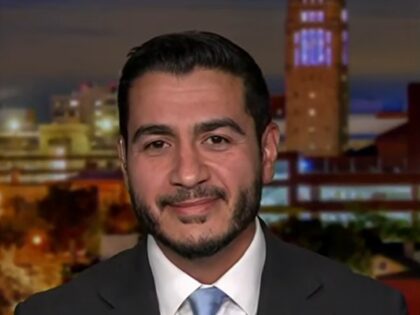
Abdul El-Sayed’s breezy dismissal of “the broader national budget” when pressed on the cost of single-payer healthcare is more than a gaffe; it’s a window into the fiscal philosophy that now dominates the Democratic left. By waving away questions about trillions in new spending, El-Sayed signals that the price tag is someone else’s problem—an attitude that inevitably collides with the Second Amendment. Every time Washington floats a multi-trillion-dollar entitlement, the same crowd that shrugs at deficits suddenly rediscovers the need for “revenue,” and the first targets are often excise taxes, registration fees, and licensing schemes aimed squarely at lawful gun owners. The 1990s assault-weapons ban and the Clinton-era “gun tax” proposals were sold as deficit-reduction measures; today’s Medicare-for-All crowd is already eyeing similar “public-safety” levies to close the gap.
For the 2A community, the lesson is straightforward: fiscal recklessness and gun-control zeal are two sides of the same coin. When politicians treat the Treasury like an open bar, they eventually look for politically soft targets to replenish it, and few targets are softer than the law-abiding gun owner who already pays background-check fees, transfer taxes, and in some states annual registration. El-Sayed’s indifference to cost therefore isn’t just an economic stance; it’s a warning flare that the next round of “pay-fors” could arrive dressed as public-health or safety measures—exactly the framing already used in proposed ammunition taxes and firearm-owner liability insurance mandates. The right to keep and bear arms has survived open assaults; it may yet have to survive a slow fiscal strangulation dressed up as compassion.


